The Story Of The Liverpool Athenaeum And A City Obsessed With Ideas
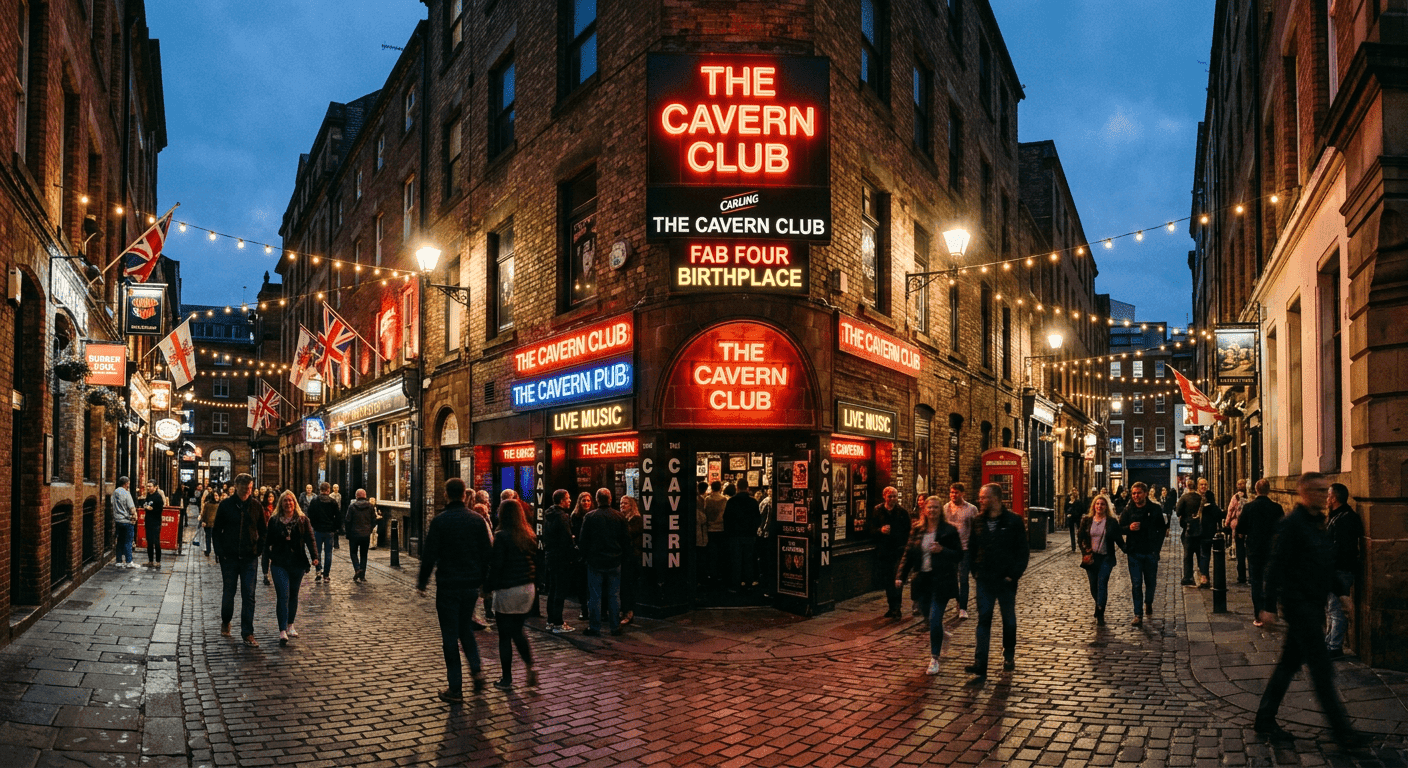
When people talk about Liverpool history they jump straight to the docks, the music, the football.
Quietly sitting in Church Alley is a different claim to fame.
Liverpool helped invent a new way to share knowledge. A members’ library and newsroom that looked a lot like the modern information hub we all use today.
Welcome to the story of The Liverpool Athenaeum.

What is the Liverpool Athenaeum?
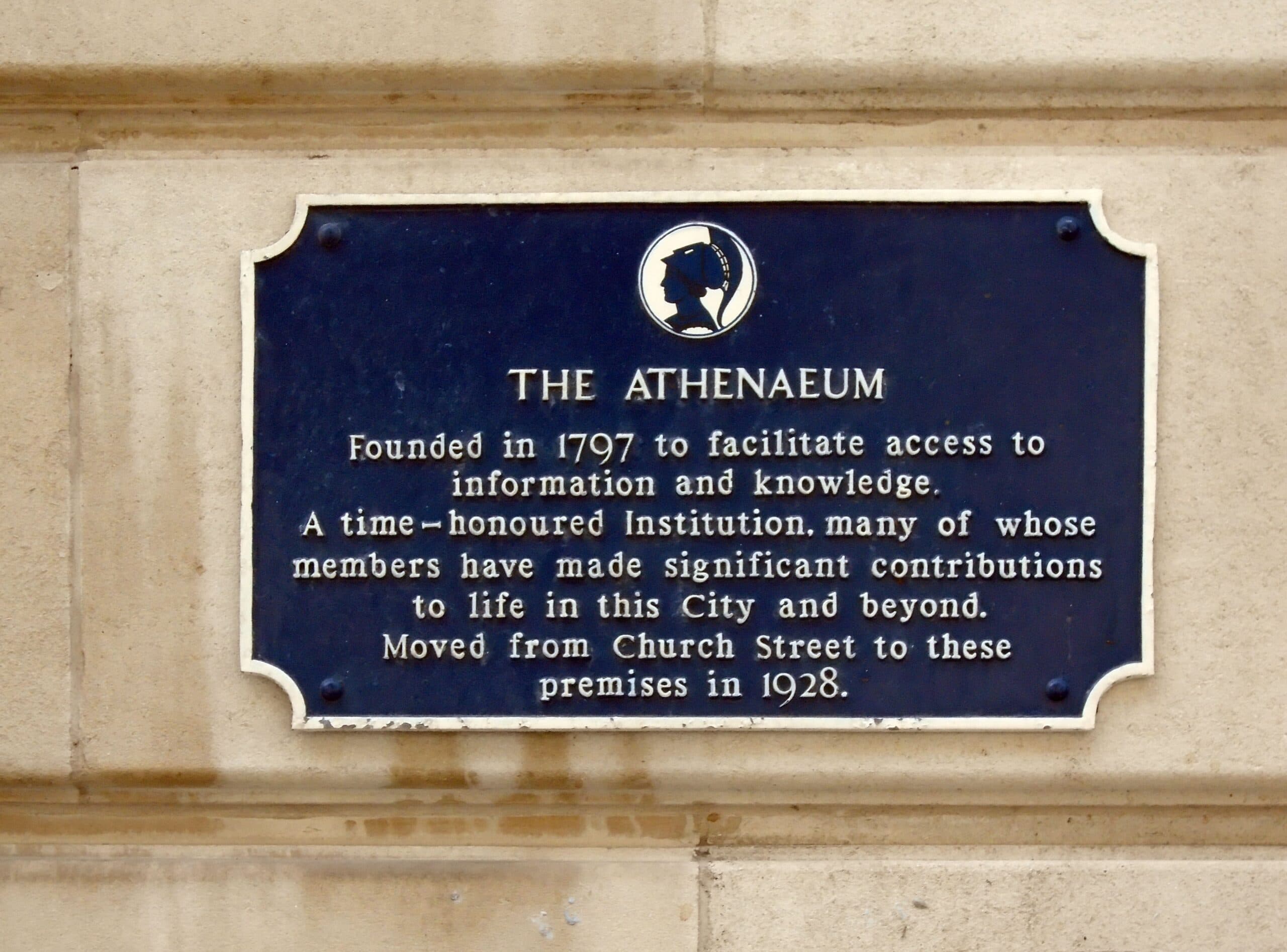
The Liverpool Athenaeum is a historic members’ club and library founded in 1797 in the heart of the city.

Its founders were merchants, professionals and reformers who wanted reliable news, serious books and space to think together. They created a shared library and newsroom packed with newspapers, pamphlets, maps and literature at a time when most people relied on noisy coffee houses or very limited collections. (The Athenaeum Liverpool)

Today, the Athenaeum still exists in Church Alley, with a library of tens of thousands of items and an active community of members.
Why was the Athenaeum so revolutionary?
Because it did three very modern things:
- Shared access
Instead of one wealthy owner, many local “proprietors” pooled money to build a serious collection that everyone in the club could use. - News and knowledge in one place
It was part library, part newsroom, part thinking space. That mix looks a lot like how people now treat modern media hubs, co-working spaces and online platforms. - Run by Liverpool’s working brain, not just the aristocracy
The founders were traders, professionals, writers and campaigners. This shift from aristocratic patronage to urban commercial brains is what many historians see as the start of a new kind of public-minded library culture. (University of Liverpool)
For a port city built on global connections, this was Liverpool saying: ideas matter here.


Was Liverpool home to one of Europe’s first modern lending libraries?
Short answer: Liverpool was home to one of Britain’s earliest and most influential subscription libraries and newsrooms of its kind, and it helped shape how cities thought about shared access to information.
- Earlier “public” or parish libraries existed in places like Norwich and Bristol, but they were usually small, fixed collections tied to churches or civic elites. (intellectualhistory.web.ox.ac.uk)
- Commercial “circulating libraries” rented novels, but they did not combine serious news, research materials, maps and a civic meeting place in the same way. (borrowing.stir.ac.uk)
- The Liverpool Athenaeum (1797) is cited by historians as the first institution of its specific type in Britain: a purpose-built subscription newsroom and library for the city’s professional and intellectual class. (Lancashire & Cheshire Society)
“Liverpool pioneered a new kind of shared library and newsroom that helped inspire the modern idea of libraries as everyday infrastructure.”
Who founded it and what did they read?
Founders included leading Liverpool merchants, professionals and thinkers such as William Roscoe, known for his writing, his role in local politics and his opposition to the slave trade. Many early members were heavily involved in trade, reform, science and global affairs.

On the shelves and tables you would find:
- Newspapers from across Britain and overseas
- Political pamphlets and parliamentary reports
- Navigation charts, shipping lists, maps and globes
- History, science, law, philosophy and literature
In other words, the early Athenaeum collection looks surprisingly like the “tabs” of a modern Liverpool reader: business, politics, global news, trade, ideas.
How did the Athenaeum change everyday life in Liverpool?
Three key impacts to spotlight:
- Literacy and professionalism
It gave Liverpool’s business and professional class faster, deeper access to information. That supported better decision making in trade, law, publishing and civic life. - A hub for local influence
Deals, campaigns, cultural projects and reforms were discussed in those rooms. It was a place where Liverpool quietly designed part of its own future. - A model for later public libraries
When the Public Libraries Act movement grew in the mid-1800s, cities already had examples of shared collections run for a wider community. Liverpool had been living that experiment for decades. (The Social Historian)
The message is that Liverpool was not only a working port, but a thinking city.
Is the story completely positive?
A serious history piece should nod to complexity without losing your positive local tone.
- Some founders and early members were connected to trades and networks linked to slavery and empire, like many institutions of the era. (University of Liverpool)
- At the same time, figures like William Roscoe used the same culture of reading and debate to argue against the slave trade.
The Athenaeum reflects Liverpool’s full story. A city shaped by trade and empire, but also by people who used books and debate to push for change.
Balanced, real, and trust-building for readers and search engines.
Can people visit the Athenaeum today?
Yes, but it is not a walk-in public library.
- It remains a private members’ club with limited membership.
- It opens for selected events, talks and occasional public tours, often during heritage days or special open days. (heritageopendays.org.uk)
Why should a modern reader care?
Liverpool is famous for music and football. Knowing this story adds a different kind of pride.
This city was early to:
- Share knowledge
- Invest in reading
- Treat information as infrastructure
At a time when we argue about who controls information online, Liverpool’s Athenaeum is a reminder that sharing knowledge locally is not a new idea. It started here, in a room full of newspapers, maps and minds that refused to think small.